Entertainment Technology
Introduction
Entertainment technology encompasses a wide range of digital innovations, tools, and systems that allow for the creation, distribution, and enhancement of entertainment experiences. It has been from the traditional entertainment forms like theater and radio to the current ones like streaming services and virtual reality, the entertainment technology has changed the way people consume and interact with media. Therefore, it is a powerful factor in the molding of culture, leisure, and communication in the modern world.
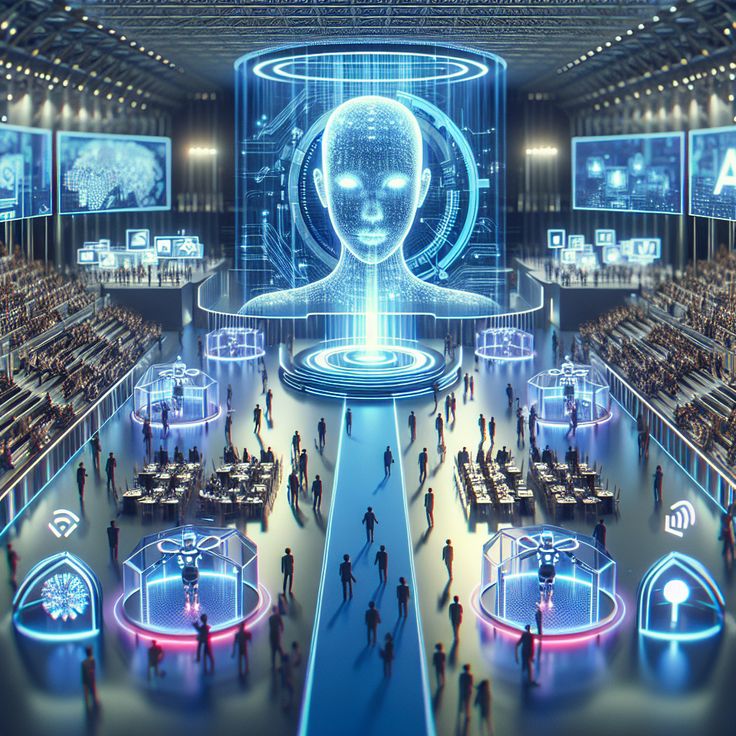
Historical Development of Entertainment Technology
At first, the live performances, the storytelling, and the printed media were the only sources of entertainment. The invention of radio and television have, however, made it possible to combine entertainment for the masses in a way that music, news, and shows could all come into the living room at the same time. The computer and the internet have as a result opened up the door for digital media, video games, and online streaming. Today, the entertainment world has seen the advancements of virtual reality and artificial intelligence as the most potent technologies that have opened up even more space for creativity and innovations.
Types of Entertainment Technology
1. Audio and Music Technology
The audio technology contributes largely to the creation and distribution of sound.
- Digital music production software
- Equipment for recording and mixing sound
- Streaming music services
This means that musicians are able to create top-notch music and make it known to the whole world.
2. Film and Television Technology
Film and television of today have technology that is very sophisticated and effective in all areas of production.
- Digital cameras and editing software
- CGI (Computer-generated imagery)
- Displays of high definition (HD) and 4K
As a result, the narrative through visuals has become more believable and attention-grabbing.
3. Gaming Technology
Gaming technology gives people the chance to have an interactive entertainment experience.
- Home video game consoles
- Gaming on PC and mobile
- VR (Virtual Reality) and AR (Augmented Reality) games
In addition, online gaming brings people together from all over the world, forming virtual communities.
4. Streaming and Digital Media Platforms
Streaming technology has made it possible to gain immediate access to content, of course.
- Video streaming services
- Live streaming platforms
- On-demand entertainment
In other words, content is available and accessible to users all the time, and they can watch it everywhere.
5. Virtual Reality and Augmented Reality
VR and AR are the means to create immersive experiences in entertainment.
- Virtual concerts
- Interactive simulations
- AR-based mobile games
This is the case that the entertainment is more attractive and individualized.
Role of Artificial Intelligence in Entertainment
Artificial intelligence has a role in the area of content creation and user experience.
- Personalized recommendations
- AI-generated music and videos
- Smart content editing
In addition, AI does the work of enlightening the platforms about the audience’s likes and dislikes.
The significance of entertainment technology is as follows:
- It leads to relaxation and pleasure
- It helps the creative industries to grow
- It promotes cultural interactions
- It has a role in the generation of jobs
Moreover, it plays a part in dictating social norms and in the flow of communication through digital means.
Benefits of Entertainment Technology
- Instant access to fun
Top-notch sound and picture quality - Participation and captivatio…
Creator’s outlet to the whole world
Large variety of content - Obstacles in the path of Entertainment Technology
There are obstacles to be surmounted that come along with its advantages:
- Pirating of digital content
Issues with personal data security
Overuse of screens
Production costs that are too high - Thus, management and regulation rooted in responsibility are necessary.
Future of Entertainment Technology
The future of entertainment technology is very innovative.
- Metaverse experiences
- AI-driven storytelling
- Cloud gaming
- Holographic displays
Hence, the entertainment will be more engaging and participative.
Conclusion
To conclude, entertainment technology has transformed the whole process of media consumption and creation. It has not only made the entertainment more elaborate but also accessible through the combination of digital and artificial intelligence as well as immersive systems. Moreover, if used wisely, the future of entertainment technology will still be the same in terms of its role in human experiences and cultural expression that are enriched.