Technology Trends: Shaping the Present and Defining the Future
Introduction
The world experiences a technological revolution which changes how people live and work and communicate and think. Technology Trends: Shaping the Present and Defining the Future.The modern technology trends which include artificial intelligence and renewable energy solutions research and development work to increase operational efficiency demonstrate their power to change entire economic sectors and social structures. People and organizations and governments need to comprehend these trends to maintain their competitive edge and to prepare for upcoming developments.”technology trends shaping the present and defining the future illustration”
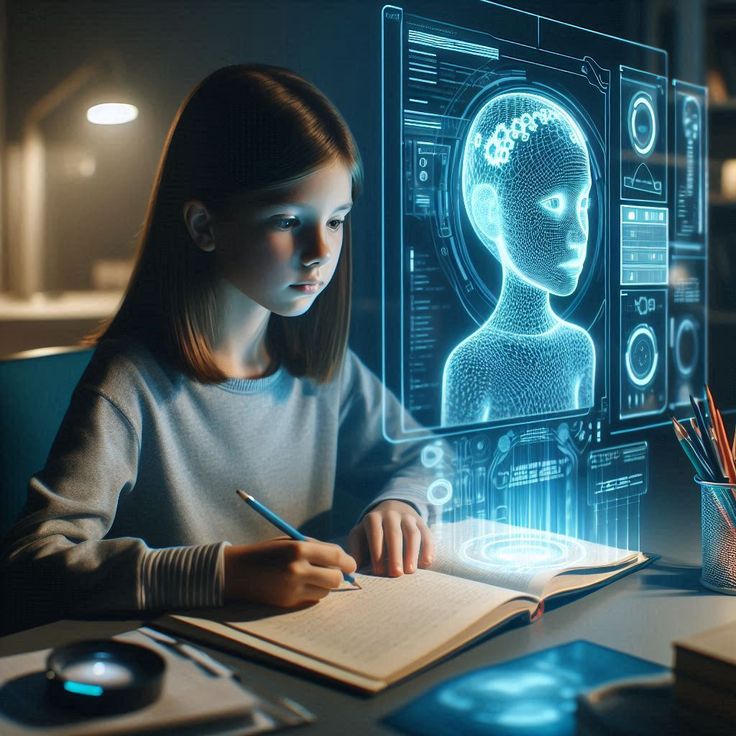
“This document examines the critical technology developments which exist today and which will emerge in the future and which organizations use and which organizations benefit from and which organizations face difficulties with.Technology Trends Today
1. Artificial Intelligence (AI) and Machine Learning (ML)
The development of Artificial Intelligence represents a major technological advancement which defines the current century. AI enables machines to replicate human cognitive abilities whereas Machine Learning enables systems to acquire new knowledge and enhance their performance through data analysis without requiring specific programming instructions.
Applications
- Chatbots and virtual assistants
- Medical diagnosis and imaging
- Recommendation systems (Netflix, YouTube, Amazon)
- Autonomous vehicles
- Fraud detection in banking
The AI system shows increased productivity because it decreases human mistakes while making decisions based on data. The process faces three main obstacles because people worry about job loss and system bias which creates difficulties for ethical system implementation.
2. Internet of Things (IoT)
The Internet of Things connects physical devices to the internet which enables them to gather information and share it through internet connections.
Examples
- Smart homes include smart lights and thermostats and security systems.
- People use wearable devices which include smartwatches and fitness trackers.
- Smart cities use traffic control systems and waste management systems.
- Industrial IoT uses predictive maintenance to enhance its operations.
Benefits
- The system provides better results through efficiency and automation.
- The system delivers monitoring capabilities which operate from recent information.
- The system decreases expenses for businesses.
Challenges
- The system faces problems related to data protection.
- Hackers target computer systems which create cybersecurity threats.
- The system requires financial resources to establish its basic operational framework.
3. 5G and Advanced Connectivity
The 5G technology system provides users with extremely fast internet access which enables them to use multiple devices for internet browsing without experiencing any interruptions.
Key Advantages
- Users can download files while streaming content at higher speeds.
- The technology provides significant advantages for online gaming and augmented reality and virtual reality experiences.
- .The technology enables Internet of Things devices and smart home products to operate with improved functionality.
- Remote virtual connections enable people to work from home and doctors to deliver medical services through telemedicine.
The 5G technology system provides essential infrastructure components which support the creation of self-driving vehicle technologies and intelligent urban development systems.
4. Cloud Computing
Cloud computing enables users to access data storage and management and processing functions through online resources instead of using physical servers.
Types of Cloud Services
- The Infrastructure as a Service (IaaS) service model provides users with fundamental computing resources through its virtualized infrastructure system.
- The Platform as a Service (PaaS) model enables users to build and deploy applications through its complete development environment.
- The Software as a Service (SaaS) model allows users to access software applications which operate as cloud-based services without the requirement for installation.
why it matters
The elements which create matter for this research study include three main factors which include its ability to scale, its financial performance, and its capability to provide data access from remote locations.00
The use of cloud computing services has become a crucial requirement for organizations which operate in business, educational institutions, and healthcare facilities.
5. Cybersecurity Technologies
The expansion of digital systems leads to increased cyber threats. The importance of cybersecurity has become a fundamental technology development.
Key Areas
- Encryption
- Multi-factor authentication
- AI-based threat detection
- Zero-trust security models
Importance
Cybersecurity protects sensitive data, financial systems, and national infrastructure from cyberattacks.
6. Blockchain Technology
Blockchain serves as a decentralized digital ledger technology which offers secure storage of information.
Uses
- Cryptocurrencies (Bitcoin, Ethereum)
- Secure transactions
- Supply chain transparency
- Smart contracts
- Digital identity
Advantages
- Transparency
- Security
- Reduced fraud
Blockchain technology has several potential benefits but it encounters problems related to its ability to scale and the lack of clear regulatory frameworks.
7. Augmented Reality (AR) and Virtual Reality (VR)
AR technology projects digital elements onto actual environments whereas VR technology develops complete digital worlds for users to experience.
Applications
- Gaming and entertainment
- Education and training simulations
- Virtual meetings
- Medical training
- Real estate virtual tours
The technologies are changing how users experience products and how they interact with them.
8. Green and Sustainable Technology
The modern world requires sustainable technology solutions because climate change has created environmental challenges.
Examples
- Renewable energy (solar, wind)
- Electric vehicles (EVs)
- Energy-efficient devices
- Smart grids
- Carbon capture technology
Green technology works to decrease environmental damage while enabling economic development.
9. Robotics and Automation
Robotic systems along with automated technologies have changed how manufacturing operations work in healthcare and logistics industries.
Uses
- Industrial robots in factories
- Surgical robots
- Warehouse automation
- Drones for delivery and surveillance
Automation technologies boost operational productivity yet produce apprehension among employees who fear job loss.
10. Biotechnology and Health Technology
Technology functions as the essential element that enables contemporary medical services to operate effectively.
Innovations
- Telemedicine
- Wearable health monitors
- AI-powered diagnostics
- Gene editing (CRISPR)
- Personalized medicine
Health technology advancements lead to better patient treatment outcomes through improved access and more effective disease identification methods.
11. Quantum Computing (Emerging Trend)
Quantum computing employs quantum mechanics to execute complex calculations at speeds which exceed those of conventional computers.
Potential Applications
- Drug discovery
- Climate modeling
- Cryptography
- Financial modeling
Quantum computing currently exists at its initial stage but possesses ability to bring about transformational changes.
Conclusion
Technology trends have created a new period which brings forth fresh innovations and improved operational efficiency and enhanced network connectivity. The combination of artificial intelligence and Internet of Things and sustainable energy solutions and quantum computing creates technological progress which transforms both business operations and everyday human activities. The present situation brings both possibilities and difficulties because multiple ethical issues and security vulnerabilities and workforce development deficiencies exist.
The present technological environment requires people and businesses to follow three essential practices which include maintaining current knowledge and showing flexible behavior and practicing ethical technology implementation. The future belongs to those who understand and embrace technological change wisely.