Heavy Machinery in the 21st Century:
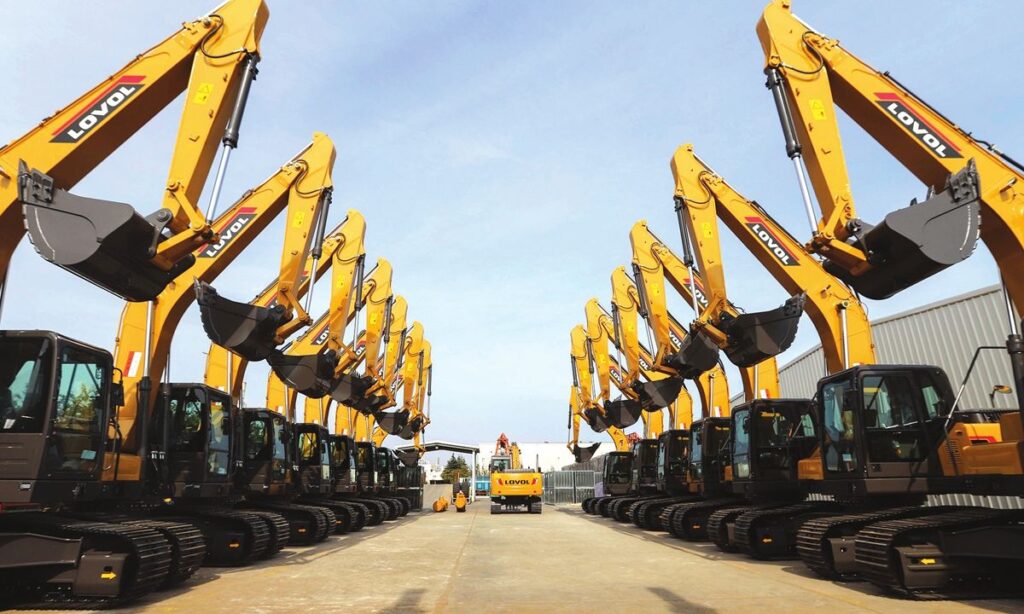
The construction industry requires heavy machinery to convert its conceptual designs into actual building projects. The construction of contemporary development projects depends on excavators and cranes and bulldozers and loaders which function as essential machinery components. Heavy machinery has reached its current state through technological progress because of automated systems and sustainable practices and digital intelligence systems. The construction industry has experienced project planning and execution and project management changes because these innovations create better operational efficiency and safety.
1. Evolution of Heavy Machinery
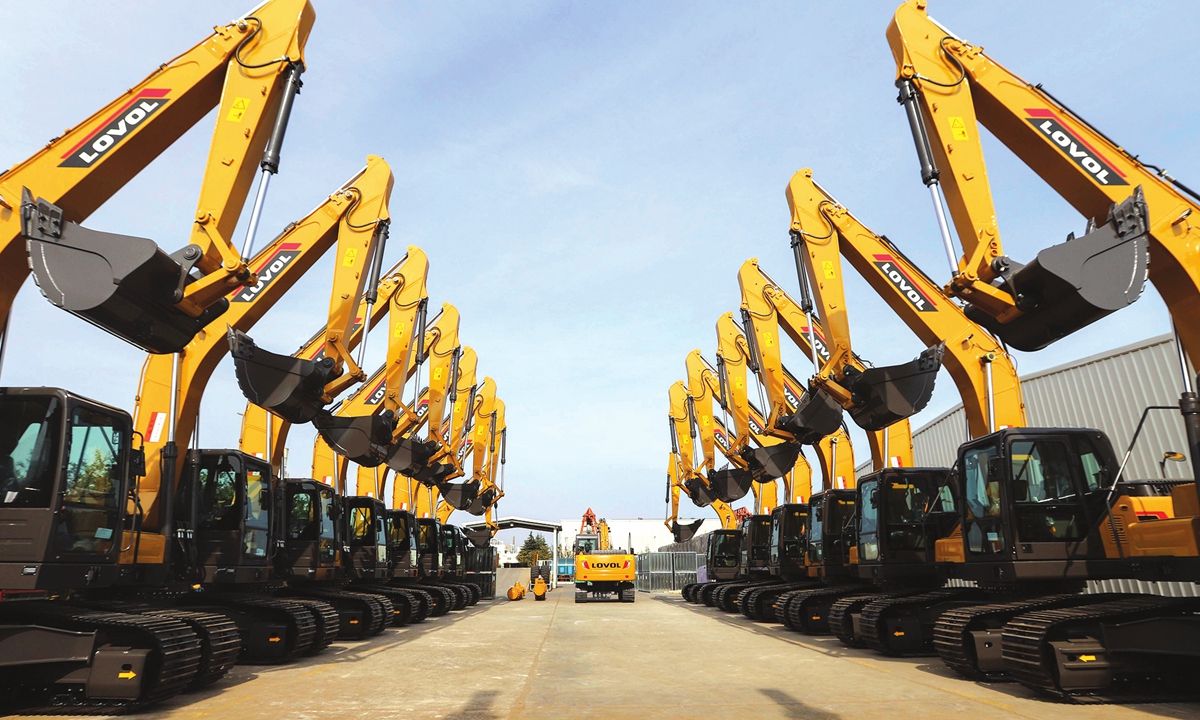
Heavy construction equipment developed through time to achieve its current state because designers needed to create machinery with better power and mechanical strength. Early machines needed complete manual operation because they could not function without multiple workers and they consumed large amounts of fuel. The machines helped workers because they decreased physical work demands on operators but their operational methods restricted exact movement abilities.
Contemporary heavy machinery operates through entirely different systems compared to earlier machines. Today’s machines function as intelligent systems because their modern equipment combines electronic components and software systems with sensor technology and data analysis tools. Construction companies now meet increasing urban development requirements and complex construction needs and environmental laws through this technology.
2. Major Innovations Which Change Heavy Equipment Operations
a. Automation and Autonomous Equipment
The most important achievement for heavy machinery development has been automated systems. Construction sites are using both semi-autonomous and fully autonomous machines at increasing rates.
Drones can move through operational areas by following digital site plans without needing human control.
The machines use their GPS system and LiDAR system and radar system and cameras to navigate through the ground while executing their tasks with exceptional accuracy.
The automated system decreases operator fatigue while maintaining operational consistency through its capacity to function at all times which results in a major increase in production output.
b. Smart Machinery and Telematics
Telematics systems collect and transmit data from machinery in real time. The sensors track engine performance together with fuel consumption and load capacity and equipment wear and tear.
The main advantages of this solution include
The predictive maintenance system helps prevent unexpected equipment failures through its maintenance scheduling system
Technicians can use remote diagnostics to discover equipment problems without needing to visit the facility
The fleet optimization solution enables organizations to monitor equipment usage while enhancing their asset distribution process
Data-driven decision-making through smart machinery implementation results in decreased operational expenses and faster project completion times.
c. Artificial Intelligence and Machine Learning
Construction machinery operations currently rely on increasing AI technology integration.
Machine learning algorithms use historical and current information to enhance performance of excavation and earthmoving and stackable cargo operations.
AI systems find operational weaknesses while recommending efficient work methods which lead to better fuel consumption results.
Workers can achieve safer operational conditions through advanced vision systems that detect project site risks.
As AI technology advances machines develop better capabilities to adjust their function according to different site operational requirements.
d. Electrification and Hybrid Technology
The need to protect the environment combined with increasing fuel prices has created a demand for electric and hybrid heavy machinery construction equipment.
Electric excavators and loaders and compact equipment systems which produce no emissions operate therefore they can be used in urban and indoor construction sites.
Hybrid systems use diesel engines together with electric motors which helps decrease fuel use and carbon dioxide emissions.
Quieter operation creates better working environments which decrease noise pollution in areas with many people.
The innovations enable organizations to achieve global sustainability objectives while sustaining their operational capabilities.
e. Advanced Materials and Design
Modern heavy machinery benefits from materials science innovations through the development of high-strength lightweight alloys which increase machine durability while decreasing total equipment weight.
New hydraulic systems provide improved power output through their enhanced operational efficiency.
The modular design system allows for simpler maintenance and equipment upgrades which results in expanded operational life.
The new technologies deliver better performance results while decreasing expenses that come with equipment maintenance during its entire operational period.
f. Digital Construction and BIM Integration
Building Information Modeling (BIM) has transformed the planning and execution process for construction projects through its digital modeling system. Heavy machinery is now integrated with digital construction platforms.
Machines can use 3D digital site models to determine their excavation and grading and foundation work.
The system decreases errors and material waste while eliminating the need for rework.
The system establishes a real-time connection between design and execution which enhances accuracy and project coordination.
3. Impact on the Construction Industry
Increased Productivity
Automation together with smart controls and digital planning methods creates shorter project timelines. The task which needed multiple machines together with operators to finish work can now be done more quickly with better accuracy.
Improved Safety
The combination of advanced sensors and collision detection systems with remote operation technology decreases accident risks. Operators use remote control systems to operate machinery from safe distances which protects them in dangerous areas like mines and unstable construction sites.
Cost Efficiency
The current equipment requires bigger investments at first yet it decreases overall operating costs because of its fuel efficiency and lower maintenance needs and reduced downtime periods.
Sustainability and Environmental Benefits
Construction companies achieve their environmental compliance requirements and corporate sustainability objectives through their ability to lower emissions and optimize fuel consumption and minimize material waste.
4. Challenges in Adopting Modern Heavy Machinery
The operation of advanced heavy machinery brings multiple benefits but also creates several operational difficulties.
High Capital Investment: Advanced equipment requires significant upfront costs.
Skilled Workforce Requirements: Operators must be trained to manage digital controls and data systems.
Infrastructure Limitations: Electric and connected equipment needs stable power sources and network access for its operation.
Cybersecurity Risks: As machines become connected, protecting data and systems from cyber threats becomes critical.
The solution to these problems needs cooperation between manufacturers and contractors and governmental officials.
5. The Future of Heavy Machinery
Heavy machinery will experience increased technological integration for its upcoming development.
The construction industry will develop autonomous work sites which require minimal human input.
Machines use swarm technology to operate as multiple units which work together through intelligent functions.
The construction industry will use hydrogen-powered machines as a substitute for traditional fossil fuel equipment.
The construction field will start using augmented reality (AR) technology more frequently to train operators and control machinery.
The advanced methods will lead the construction industry to achieve better operational productivity and enhanced safety measures and greater environmental stewardship.
Conclusion
The 21st century heavy machinery industry operates with more advanced capabilities than basic mechanical strength because it now includes intelligent systems and networked connections and sustainable environmental practices. The construction industry currently experiences a revolutionary change through automation and artificial intelligence and electrification and digital technology integration. The increasing global need for infrastructure development will ensure that contemporary heavy machinery remains essential for constructing advanced sustainable and secure environments which future generations will use.