AI-Native Platforms: The Foundation of the Intelligent Software Era
Over the past decade, companies have added artificial intelligence functions to their existing software solutions. The current generation of systems is being developed with distinct architectural design principles which differ from previous approaches. AI-native platforms function as integrated systems which utilize artificial intelligence as their primary operational system and user interface engineering element.
AI-native platforms enable businesses to create products while they streamline their operations and establish connections with their customers. The complete system change represents a complete transformation which equals the transition from traditional software systems to cloud-based computing.
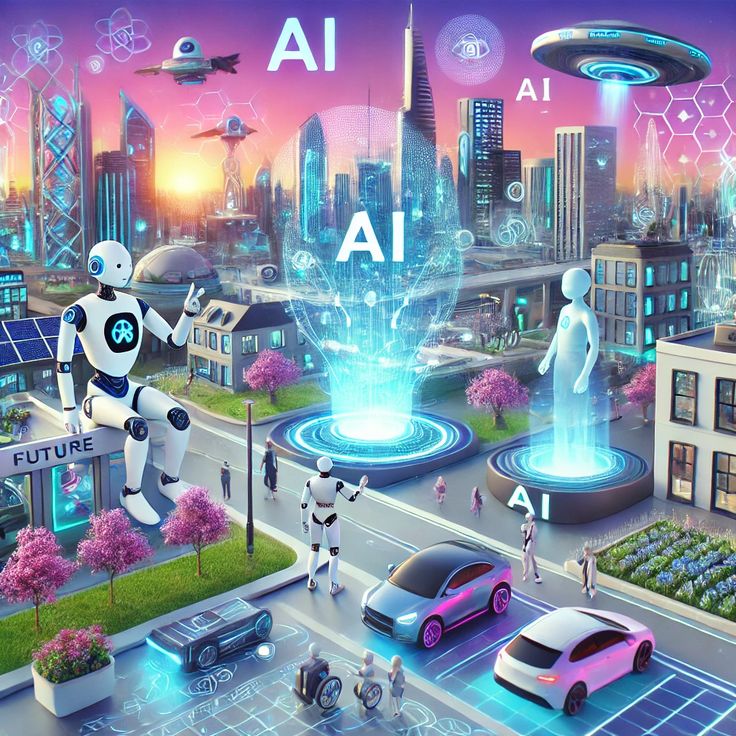
What Are AI-Native Platforms?
An AI-native platform operates as a software ecosystem which bases its entire system on artificial intelligence technology instead of treating AI as an additional element.
Unlike traditional systems:
The traditional platform system utilizes rule-based logic together with manual workflows to deliver AI capabilities as optional features for users.
The AI-native platform system uses AI models which make decisions and control automated processes together with data handling and user interface functions.
In these platforms:
The AI system handles all tasks which need reasoning and prediction together with automation work.
The human operators who monitor the system provide both operational support and system improvement initiatives.
User interactions during system operation create learning opportunities for the systems.
Core Characteristics of AI-Native Platforms 1. Model-Centric Architecture
1. Model-Centric Architecture
The application stack integrates AI models through direct implementation of LLMs and vision models and predictive engines as core components.
Examples include platforms leveraging:
Large Language Models (LLMs)
Multimodal AI (text, voice, image)
Reinforcement learning systems
2. Continuous Learning Loops
AI-native platforms achieve performance enhancement through their development process which integrates:
Real-time feedback
Usage data
Human-in-the-loop training
Performance monitoring pipelines
AI-native systems develop their capabilities throughout their entire operational period.
3. Autonomous Workflow Orchestration
AI agents can:
AI agents have the capability to organize their work by planning their tasks and managing their entire operational sequence while they use different systems to execute their work.
The system enables users to create operational sequences through its complete workflow management capabilities which include task creation and process execution and external system integration and result-based process adaptation.
The development of agentic AI requires particular methods because its construction needs specific approaches.
4. Data-First Infrastructure
The platforms need three essential components to operate their systems.
The platforms need three essential components to operate their systems which include
The system architecture delivers high-performance AI inference and training capabilities through its extended framework which goes beyond basic database operations.
Real-World Examples of AI-Native Platforms
Various companies are developing AI-native ecosystems at present.
OpenAI provides its customers access to AI-first applications through its API and model offerings.
Anthropic builds its AI systems through the implementation of safety and reasoning models which function as primary system components.
Notion develops knowledge workflows through its extensive integration of artificial intelligence.
Databricks develops platforms which use artificial intelligence to create data infrastructure.
Microsoft introduces artificial intelligence copilots into all business software products.
All platforms depend on artificial intelligence as their primary operational component.
AI-Native vs Cloud-Native: What’s the Difference?
Cloud-Native AI-Native
Built for scalability Built for intelligence
Microservices architectureModel-driven architecture
DevOps automationAI-driven automation
APIs connect servicesAI agents orchestrate services
Static business logicDynamic, learning-based logic
Cloud-native systems provided businesses with scaling capabilities.
AI-native systems provide organizations with intelligent capabilities.
The Advantages Offered by AI-Native Platforms
1. Hyper-Automation
Machines can now perform all tasks which used to require multiple human workers together with their machine processes.
2. Smarter Decision Making
The system uses its built-in predictive models to provide users with real-time data analysis and automatic work suggestions.
3. Personalized User Experiences
The system dynamically adjusts its content and user interface and operational processes to match the preferences of each individual user.
4. Faster Product Development
Developers achieve improved efficiency when they employ AI tools to create programs and evaluate systems and implement their solutions.
Industries Being Transformed
AI-native platforms are transforming the following industries:
Healthcare (AI diagnostics & personalized medicine)
Finance (fraud detection & automated trading)
SaaS (AI copilots & workflow automation)
E-commerce (predictive recommendations)
Cybersecurity (threat detection & response automation)
Challenges of AI-Native Platforms
AI-native systems encounter actual challenges which their advanced capabilities fail to resolve.
1. Data Privacy & Compliance
Secure training and inference systems need to establish protection measures for sensitive data which researchers require to develop their models.
2. Model Reliability
AI systems create hallucinations which lead to their systems operating in unpredictable ways.
3. Infrastructure Cost
Organizations must invest large financial resources to acquire GPU and computing power.
4. Governance & Ethics
Organizations need to create AI safety protocols which require the development of monitoring systems for their artificial intelligence activities.
The Future of AI-Native Platforms
The upcoming AI-native development stage will bring forth:
The development of multi-agent collaboration systems
The implementation of self-healing infrastructure systems
The creation of AI-driven product design systems
The establishment of systems that enable organizations to operate their businesses without human intervention
Organizations will implement AI systems which function as their primary business operations software.
Intelligent capabilities will become standard features in business platforms which should include native intelligence functions.
Conclusion
AI-native platforms create a fundamental shift in software development because they enable developers to manage all stages of software development from initial creation to final distribution and subsequent growth. The AI-native architecture enables organizations to establish their platform-based intelligence systems through a method that mirrors how cloud computing transformed infrastructure development.
Organizations that adopt AI-native principles early will gain competitive advantages in automation, efficiency, personalization, and innovation.
We have reached the end of the time when software programs remain unchanged.
The period of smart platforms has now started.