Energy Technology
Introduction
The term energy technology encompasses all the practices, tools, and systems that make it possible to produce, store, transfer, and consume energy in an
. Today energy is the main factor contributing to the world economic development, industrial growth, and consumers’ daily lives. The investment in energy technology has slowly but surely changed the global energy mix from fossil fuels to less polluting and more sustainable sources. This meant that energy technology became the mainstay in the fight against environmental and energy security issues.
Historical Development of Energy Technology
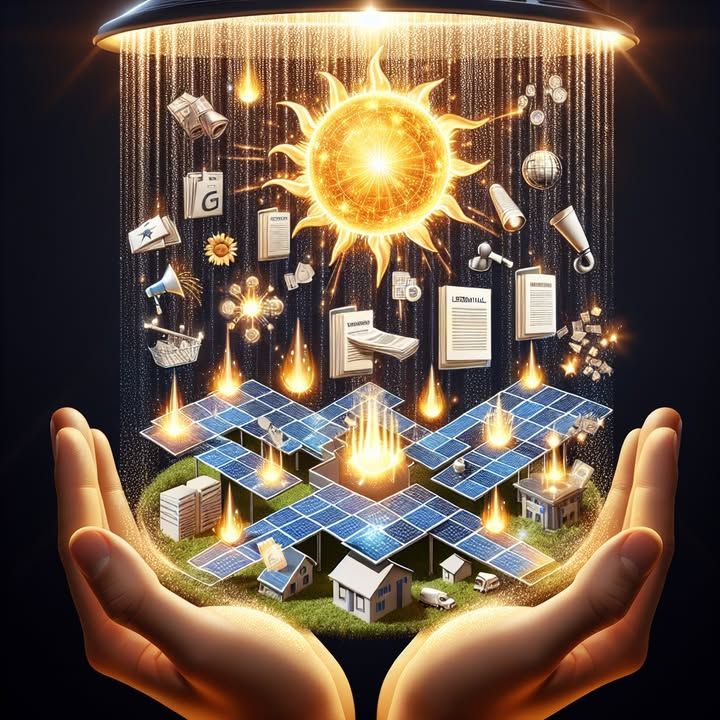
At first, people made use of fire as their main source of energy, along with wind and water. Then came the discovery of coal and the steam engine which marked the beginning of the industrial use of energy. After that oil and natural gas were the main sources of energy since they were the ones that drove the transportation and industrial sectors. However, in the last few decades, the world has become more and more eco-conscious, which has pushed the development of renewable and alternative energies technologies. Even now, the innovation process is stirring up a more sustainable energy future.
Energy Technology Types
1. Renewable Energy Technology
Renewable energy tech is based on the utilization of natural resources that constantly get replenished.
- Solar farms
- Wind power
- Hydro-power stations
- Geothermal power plants
These methods help in mitigating greenhouse gas emissions and supporting eco-friendly practices.
2. Non-renewable Energy Technology
The non-renewable energy technologies are based on the consumption of depleting resources.
- Power stations using coal
- Technologies for oil and gas extraction
- Atomic power facilities
These options are very energy-efficient but at the same time, they cause pollution and their supply is uncertain for the future.
3. Energy Storage Technology
Energy storage solutions are the mechanisms to keep energy for future use.
- Lithium-ion, solid-state batteries
- Pumped hydro storage
- Heat storage
- Thus, energy supply becomes more dependable and effective.
4. Smart Grid Technology
The smart grid is a term for the modernization of the electric grid through the adoption of new digital technologies and communications.
- Monitoring of energy usage in real-time
- Systems for Demand response
- Networks for distribution that are automatically controlled
So, in short, smart grids are very effective in the use of energy and they also cut down the frequency of power outages.
5. Energy Efficiency Technology
Technologies that improve the energy efficiency are the ones that aim to minimize energy use.
- Replacement of incandescent bulbs with LEDs
- Appliances that need less energy
- Intelligent buildings
Thus, these developments lead to the reduction of the overall costs and the lessening of the negative impact on the environment.
Importance of Energy Technology
The energy technology is of great importance for:
- the economy
- the manufacturing sectors
- transportation networks
- healthcare and education
- -environmental preservation
Modern societies entirely depend on the reliable energy systems to function well.
Advantages of Energy Technology
- Supports the balanced use of resources
- Decreases the emission of greenhouse gases
- Secures the energy supply
- Increases the efficiency and reliability of the power supply
- Fosters the development of new technologies
Challenges in Energy Technology
On the other hand, the energy technology that is being disbursed still has its difficulties:
the adoption of high-tech solutions at the beginning is costly
- storing energy is still problematic
- huge infrastructures are needed
- ecological and safety issues still exist
So, it is imperative for the researchers to come up with solutions and the government to back them up with policies that are not easily changed.
Future of Energy Systems
Energy technology of the future is going to be overshadowed by sustainability and innovation.
- Hydrogen energy systems
- Advanced battery technologies
- Carbon capture and storage
- Artificial intelligence in energy management
Thus, energy systems will turn into clean, smart, and strong.
Conclusion
All in all,Energy Systems is the backbone of the modern world. It not only answers the energy needs but also helps in tackling the environmental problems through the development of renewable sources, increasing efficiency, and coordinating the activities of different systems. Provided that the technology is developed and implemented in the right manner, it will lead to a sustainable and secure energy future for the upcoming generation.