Non-Stick, Non-Toxic: The Science Behind Safer, Smarter Dinnerware
introduction
Kitchens today require both safety measures and convenient features as their main operational needs. The development of non-stick dinnerware which contains no toxic substances represents a major breakthrough because it delivers both of these essential functions. The products which include frying pans and ceramic plates provide superior cleaning abilities and promote healthier cooking practices and create a secure environment but their safety features require specific assessment methods. Manufacturers need to find a way to develop their products better while safeguarding public health through their manufacturing processes.
Non-Stick, Non-Toxic: The Science Behind Safer, Smarter Dinnerware
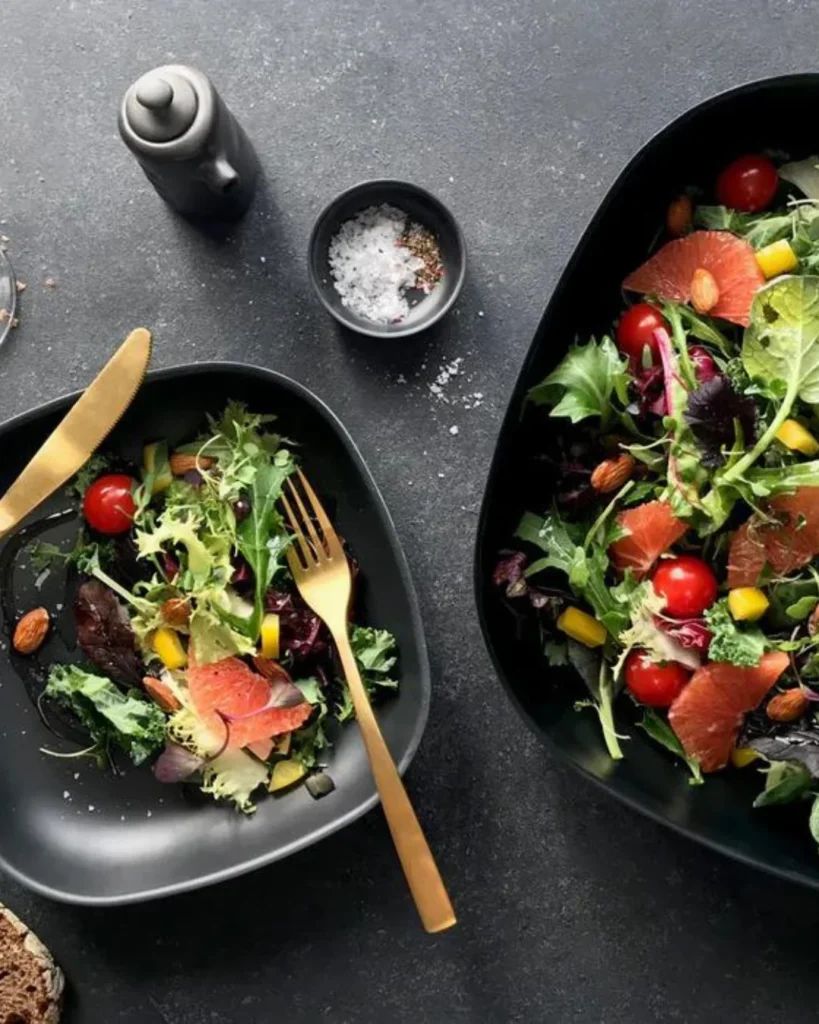
The article explains how safer dinnerware works through scientific research while showing industry difficulties and providing consumers with better decision-making methods.
The Rise of Non-Stick Dinnerware
Non-stick surfaces revolutionized cooking by minimizing food sticking, reducing the need for oil or butter, and cutting down cleanup time. The conventional method for cookware cleaning required users to either physically scrape or soak their items until they became clean. The introduction of non-stick coatings revolutionized cooking methods.
The most common early non-stick surface was Teflon, a brand name for polytetrafluoroethylene (PTFE). PTFE creates a surface which repels food and liquids because of its extremely smooth and slippery characteristics that make it suitable for regular kitchen use.
The public began using the new technology more frequently which resulted in two major issues. The public became more aware of safety risks and environmental effects which led to. The companies needed to develop new safety solutions.
Why “Non-Toxic” Protection Matters
The term “non-toxic” describes materials which do not emit dangerous substances during their standard operational period. Dinnerware and cookware can produce harmful substances when they experience excessive temperature conditions, physical damage through scratching, or material deterioration. The most common concerns have involved:
1. PTFE (Teflon) and Overheating
PTFE coatings start to decompose at extreme temperatures which exceed 260 °C / 500 °F and produce dangerous emissions. The normal cooking process does not reach these temperature extremes except when an empty pan undergoes preheating. These fumes cause temporary flu-like symptoms in humans while they pose dangerous effects to pet birds.
2. PFOA (Perfluorooctanoic Acid)
PFOA served as a component in the production process for PTFE coatings. The chemical remains in the environment for extended periods while studies show it creates health hazards. Global pressure led to its phase-out, and most reputable cookware brands no longer use PFOA in their production.
3. Heavy Metals and Glazes
Non-toxic dinnerware includes all dining materials which people use to serve food. Ceramic dinnerware needs glazes which do not contain lead or cadmium or any heavy metals which might contaminate food.
Alternatives to Traditional PTFE Coatings
To address PTFE and chemical safety concerns, manufacturers have created more secure replacement products.
Ceramic Coatings
Ceramic coatings create a naturally smooth surface through their combination of silicon and oxygen based inorganic materials. The materials operate at moderate temperatures without deterioration while they lack PTFE and PFOA content.
- The following benefits Safe at higher temperatures The system maintains its non-toxic state throughout its entire operational period The product delivers effective non-stick performance The first time it is used
- The main problem with this product is that it will gradually lose its non-stick capabilities through regular usage .
- The metals establish non-stick surfaces through seasoning which involves multiple heating cycles that create polymerized oil layers The materials establish non-stick surfaces through seasoning which involves heating to create polymerized oil layers.
Seasoned Cast Iron and Carbon Steel
- The main advantages of this product The product offers exceptional strength The product contains no artificial substances The product becomes more effective through continuous use
- The main problem with this product The product needs both seasoning and drying processes to function The product weighs more than other available choices
Titanium and Diamond-Reinforced Coatings
Modern cookware uses PTFE coatings that contain titanium and diamond particles to create stronger surfaces which withstand wear.
- The product provides two main advantages The product delivers exceptional durability as a non-stick coating The product demonstrates better resistance to scratches.
- The product remains dependent on PTFE because its overheating problems continue to exist.
The Science of Safety Testing
Manufacturers must conduct thorough testing procedures for their dinnerware products until these products achieve non-toxic certification.
The Thermal Stability Tests
The tests require high heat exposure to evaluate the breakdown products and emissions which occur from coating materials. A coating which remains stable through all cooking temperatures provides better safety because it protects users.
The Leaching and Migration Studies
Testing is needed for dinnerware glazes to determine their metal leaching potential which increases when acidic foods come into contact with them.
The Abrasion Resistance
Non-stick coating mechanical tests evaluate actual product performance which users will experience throughout their product lifetime. A surface which can resist both scratches and material degradation will maintain user safety while functioning as designed.
Smarter Choices for Your Kitchen
Use these following tips to choose dinnerware products which offer better safety.
1. Read Labels Carefully
Look for products that display explicit PTFE-free and PFOA-free and lead-free and cadmium-free statements on their labels.
2. Check Temperature Limits
Choose materials which manufacturers designed to keep safety during standard cooking temperatures because these materials will not deteriorate.
3. Consider Longevity
Some non-stick surfaces lose their effectiveness over time. Materials such as seasoned cast iron and high-quality ceramic provide extended safe usage through their complete lifespan.
4. Use Proper Utensils
Metal utensils can scratch coatings. Non-stick products will last longer when users employ wood or silicone or nylon kitchen tools.
5. Avoid Cooking Empty
The temperatures of an empty non-
Conclusion
Non-stick non-toxic dinnerware provides a safe dining experience through its combination of practical features. Modern kitchens achieve safe cooking results through their use of innovative materials which include ceramic surfaces and seasoned metals to create non-hazardous cooking methods that replace outdated chemical technologies.
Knowledge about material science enables you to select products that maintain health benefits while safeguarding food taste and enhancing your daily cooking experiences. Dinnerware of tomorrow will become safer through its advanced design features which create smarter dining solutions.